What Kind Of Fertility Medication Do I Need As An Egg Donor?
Egg Donation, 17 Jun, 2026
Takeaways
- There are three main types of fertility medication for the egg donation process, including birth control, FSH, and trigger shots.
- Each of the three medications is designed to support different stages of egg donation, including syncing cycles, encouraging multiple egg ovulation, and triggering ovulation.
- The final fertility medication (GnRH antagonist) isn't always necessary, but can be used to prevent early ovulation.
- You may also have to take non-fertility-focused medications, like over-the-counter pain management drugs, to control any side effects.
Medications for Egg Retrieval
The egg donation cycle can seem like a long and involved process at first glance. You need to prepare your body well in advance of egg retrieval day to ensure the best possible results. Appropriate preparation includes carefully timed fertility treatments that you are responsible for injecting yourself, as well as medications that support and trigger ovulation.
If you want to know more about the medications for egg retrieval, how to donate eggs for IVF, and whether oral fertility medications are an option, check out this guide from My Baby Donor Agency for a comprehensive overview.
Why You Need Fertility Medication
Fertility medications for egg retrieval are designed to work with your body's natural processes to maximize your potential to produce more than one mature egg. When your body releases several eggs at once, we can retrieve them all at the same time, minimizing the need for prolonged fertility medication and multiple retrieval appointments.
Usually, your body matures and releases just one egg each month. But with fertility medications, we can encourage several eggs to mature, which we can collect for IVF, surrogacy, donations, and freezing.
Hormones for Egg Retrieval
The hormones necessary for egg retrieval include follicle stimulating hormone (FSH) and luteinizing hormone (LH). These hormones may also stimulate progesterone and estrogen levels in your body to induce ovulation.
Types of Fertility Medications
There are four main types of fertility medications for egg retrieval that you may have to take during the preparation process. One is an oral fertility medication, and the other three must be injected.
- Birth Control: We use this oral fertility medication to regulate your cycle and sync it with the treatment calendar and egg recipient. You'll take one pill per day up to 7-10 days before fertility treatments begin.
- FSH & LH Injections: These medications for egg retrieval are administered as subcutaneous injections in the lower abdomen. You self-inject for 8 to 12 days to stimulate your ovaries and visit the clinic for monitoring.
- GnRH Antagonist: Not everyone takes this type of medication, but sometimes, it is used to prevent early ovulation. The GnRH antagonist is usually taken in the middle or toward the end of the stimulation phase to prevent the body from ovulating prematurely. During monitoring sessions with your care team, they'll determine whether you should inject this alongside LH and FSH.
- Trigger Shot: This is the final medication for egg retrieval, as it's meant to help finish the maturation of your eggs, signaling their release for retrieval. This is another injection you will take between 24 and 36 hours prior to your retrieval appointment.
There are a few other medications you may be required to take, depending on how you donate eggs for IVF. Antibiotics, pain relief, and sedation medications are all part of the process.
Side Effects from Fertility Medications
Both injection and oral fertility medications may cause side effects during the stimulation process. Some of the most common side effects you can expect include:
- Mood swings and irritability
- Bloating and abdominal discomfort
- Hot flashes and sweating
- Headaches
- Breast tenderness
- Fatigue
Very rarely, women on medication for egg retrieval may develop OHSS (Ovarian Hyperstimulation Syndrome). In these cases, your ovaries will swell and may leak fluid into the abdomen. If you experience sudden pain, weight gain, shortness of breath, or extreme bloating, contact your care team right away.
The Egg Donor Process
If you're wondering how to donate eggs for IVF, the process begins with a screening. If you're a suitable candidate, we'll match you with a recipient and begin the fertility process. Our team will provide a precise calendar to ensure accurate dosing that maintains your fertility timeline.
A successful fertility cycle ends with egg retrieval. This is a minimally invasive procedure that allows you to go home the same day.
Medications During Egg Retrieval
Your care team will assess your specific needs and requirements regarding medication for egg retrieval. However, you'll typically be given both antibiotics and general anesthesia during the retrieval process. Antibiotics are taken orally after the procedure to reduce the risk of infection, while general anesthesia or sedation is common practice during the procedure to minimize pain and keep you comfortable.
Side Effects from Egg Retrieval
Even though you're no longer taking hormone medication for egg retrieval after the procedure, you may still experience some side effects, including:
- Mild cramping
- Bloating
- Spotting
- Soreness
Your care team will be available before, during, and after the procedure to ensure both preparation and recovery go well.
Ensuring Successful Egg Donation
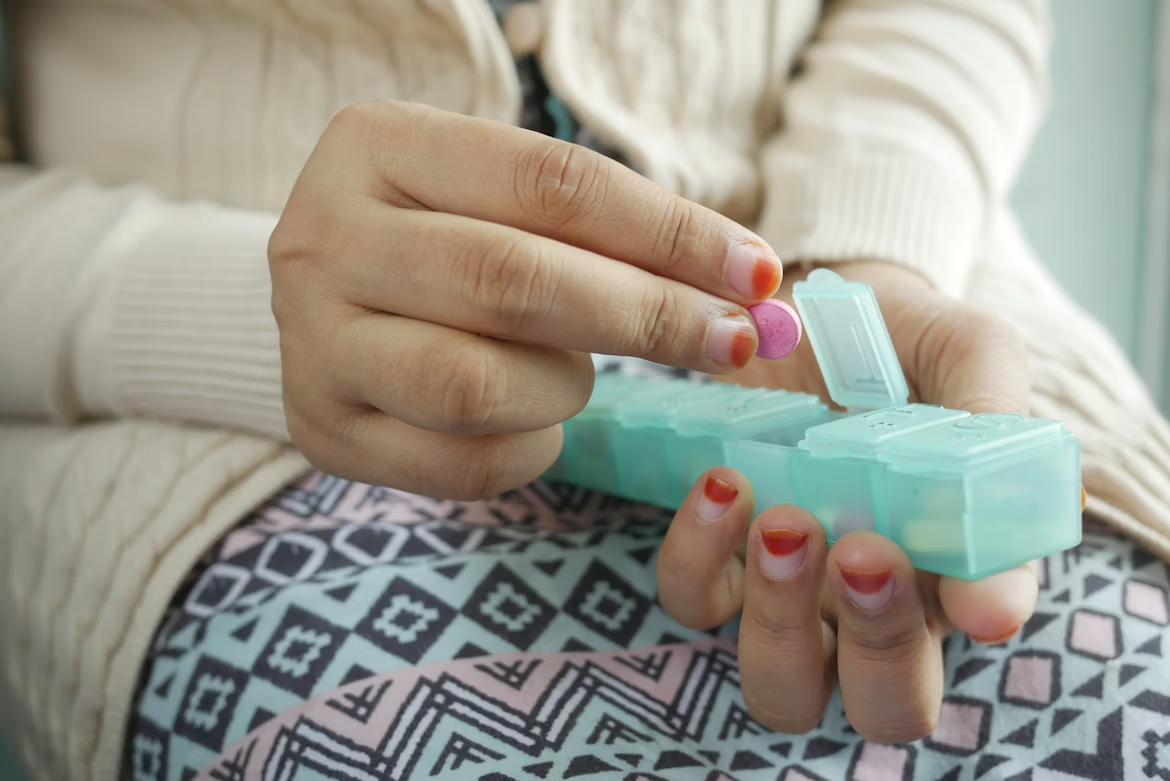
Missing doses of your fertility medication can cause serious delays in the egg retrieval timeline. To ensure a short, successful process, make sure you manage your medication by sticking to the calendar our team provides. Stay organized with a calendar, pill box, app, reminder alarms, or any other support tool you need.
Consider Egg Donation
Now that you know a little bit more about how to donate eggs for IVF and the medications for egg retrieval, you can make a more informed decision about whether this type of donation is right for you.
With My Baby Donor Agency, this is not a process you have to navigate alone. Our team is here to support you throughout the entire journey, adjusting the protocols, medication, and timeline as much as possible to suit your needs. Consider becoming an egg donor at My Baby Donor Agency and apply today to get started.
And if you have more questions about medications for egg retrieval, visit our blog for more information or reach out to our team for personalized guidance and support.